Top Catering Trends in 2026
May 5, 2026
Bite-Sized Desserts Guests Love at Parties
June 26, 2026Home-Cooked vs Restaurant Food: What Is Better for Daily Meals

Food is a daily necessity, but choosing what to eat every day is not always simple. With changing lifestyles, many people today rely on restaurant food or online delivery due to convenience. At the same time, home-cooked meals continue to be seen as a more balanced and comforting option.
The question often comes down to this: what is better for daily meals – home-cooked food or restaurant food? The answer depends on lifestyle, routine, and individual needs. For working professionals, students living away from home, and elderly parents managing meals on their own, this choice becomes even more important.
Understanding Home-Cooked Meals
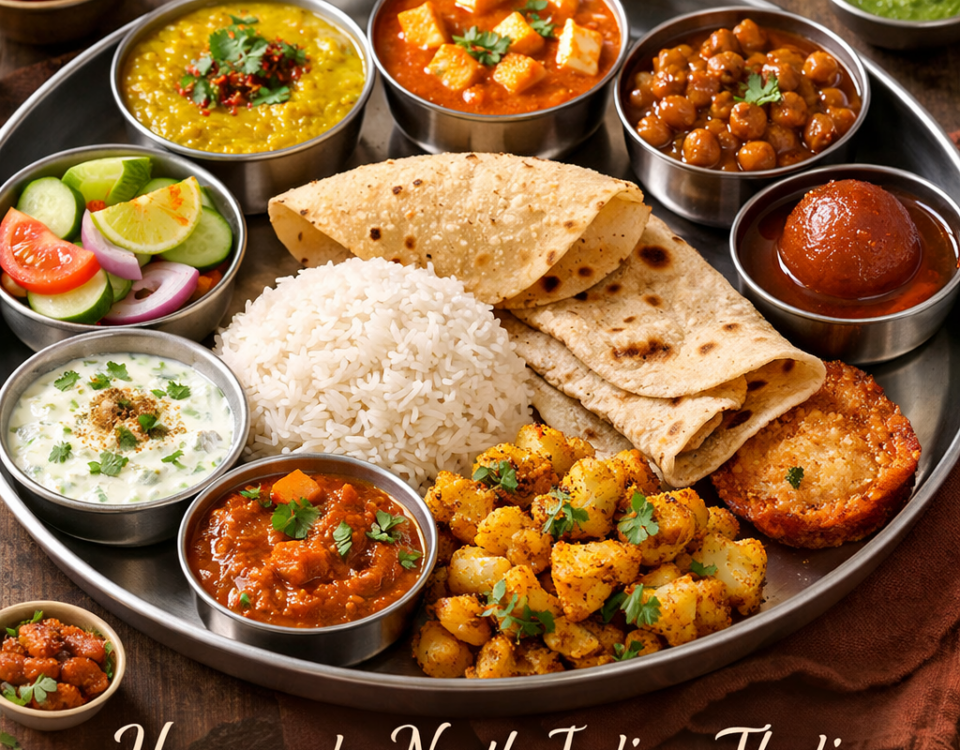
Home-cooked meals are typically prepared using fresh ingredients, familiar recipes, and simple cooking methods. These meals often reflect traditional eating habits and are usually lighter compared to heavily processed foods.
Common characteristics of home-cooked food include:
-
Use of fresh vegetables and ingredients
-
Balanced portions of grains, proteins, and vegetables
-
Controlled use of oil and spices
-
Meals prepared according to personal preferences
For many people, home-cooked food is not just about nutrition but also about comfort and routine.
Understanding Restaurant Food
Restaurant food is designed to be flavourful, visually appealing, and convenient. It offers a wide variety of cuisines and dishes that may not always be practical to prepare at home.
Some key aspects of restaurant food include:
-
Strong flavours and rich gravies
-
Greater use of oil, butter, and spices
-
Wide variety of menu options
-
Quick availability through dine-in or delivery
While restaurant food can be enjoyable, it is often designed for occasional indulgence rather than daily consumption.
Comparing Home-Cooked and Restaurant Food
Nutritional Balance
Home-cooked meals usually allow better control over ingredients and portion sizes. Meals can be adjusted to include vegetables, proteins, and grains in balanced proportions.
Restaurant food, on the other hand, may include higher quantities of oil, salt, or rich ingredients to enhance taste. Over time, this difference can affect daily eating patterns.
Freshness of Ingredients
Home-cooked meals are generally prepared fresh and consumed soon after cooking.
Restaurant food may also be freshly prepared, but the ingredients and preparation methods can vary depending on the establishment and the type of dish.
Cost Considerations
Cooking at home is often more cost-effective for daily meals, especially for families or individuals who eat regularly at home.
Ordering food frequently from restaurants can increase monthly food expenses.
Convenience
Restaurant food offers convenience, especially for people with busy schedules or limited time to cook.
Home-cooked meals require planning, grocery shopping, and time in the kitchen, which may not always be feasible for everyone.
Challenges Faced by Working Professionals
Working professionals often struggle to maintain regular meal routines. Long working hours, commuting, and tight schedules leave little time for cooking.
Common challenges include:
-
Skipping meals due to lack of time
-
Relying on takeaway or delivery food
-
Eating at irregular hours
-
Limited energy to cook after work
In such situations, restaurant food becomes a convenient option. However, depending on it every day may not always support a balanced routine.
Many professionals look for alternatives that provide the comfort of home-cooked food without the time required to prepare it daily.
Meal Challenges for People Living Away From Home
Students and professionals living away from their families often miss the consistency of home-cooked meals. Cooking regularly may not be practical due to:
-
Shared accommodations or limited kitchen access
-
Busy study or work schedules
-
Lack of time for grocery shopping
-
Limited cooking experience
As a result, many people rely heavily on restaurant food or quick meals, which may not always provide the same balance as home-style cooking.
This is where structured meal options that resemble home-cooked food become useful.
Food Considerations for Elderly Parents at Home
Elderly parents living at home may face different challenges when it comes to daily meals.
Some common concerns include:
-
Difficulty in cooking multiple meals daily
-
Preference for simple, lighter food
-
Need for regular and timely meals
-
Reduced appetite for heavy or oily dishes
Home-cooked meals are often better suited to these needs because they can be prepared with lighter ingredients and familiar recipes.
However, when cooking regularly becomes difficult, families often look for dependable food options that match the simplicity and comfort of home-style meals.
Finding a Balance Between Convenience and Quality
The choice between home-cooked and restaurant food does not have to be absolute. Many people find a balance by combining both options based on their routine.
For example:
-
Home-cooked meals during weekdays
-
Restaurant meals occasionally on weekends
-
Simple meals on busy days
The goal is to create a routine that supports both convenience and consistency.
Role of Home-Style Meal Services
With changing lifestyles, meal services have become an option for people who want regular meals without daily cooking.
These services aim to provide food that resembles home-cooked meals while offering the convenience of delivery.
They are particularly helpful for:
-
Working professionals with limited time
-
Students living away from home
-
Families supporting elderly parents
Meal services that focus on simple, home-style cooking can help bridge the gap between convenience and daily nutrition.
For example, Maa Ka Dulaar meal subscriptions and tiffin services offer meals designed to resemble traditional home-cooked food, making them suitable for everyday consumption.
When to Choose Home-Cooked Food
Home-cooked meals are generally a good choice for daily eating when:
-
You have time to cook regularly
-
You prefer simple and familiar food
-
You want full control over ingredients
-
You are planning meals for family members
They provide consistency and allow you to tailor meals according to personal preferences.
When Restaurant Food Works Better
Restaurant food can be a practical option in certain situations, such as:
-
Busy workdays with no time to cook
-
Social gatherings or celebrations
-
Occasional cravings for variety
-
Travel or special occasions
It works well as an occasional choice but may not always be ideal for everyday meals.
Building Sustainable Daily Eating Habits
Healthy eating habits are not about strict rules but about consistency. Choosing meals that are easy to maintain over time helps create a stable routine.
Some practical approaches include:
-
Planning meals ahead of time
-
Keeping ingredients ready for quick cooking
-
Choosing simple dishes for daily meals
-
Exploring reliable home-style meal options when needed
Combining these habits can help create a balanced approach to daily eating.
Final Thoughts
Both home-cooked and restaurant food have their place in modern lifestyles. Home-cooked meals offer simplicity, familiarity, and control over ingredients, making them suitable for daily consumption. Restaurant food provides convenience and variety, making it useful for occasional meals.
For working professionals, students living away from home, and elderly parents, the challenge is often finding a solution that fits their routine.
In such cases, home-style meal options and tiffin services can offer a practical middle ground, combining the comfort of home-cooked food with the convenience of ready-to-eat meals.
Choosing the right balance between these options can help create a routine that supports both lifestyle needs and consistent eating habits.
Frequently Asked Questions
What is better for daily meals, home-cooked or restaurant food?
Home-cooked meals are generally more suitable for daily consumption because they allow control over ingredients and portions, while restaurant food is more convenient and suitable for occasional meals.
Why do working professionals rely on restaurant food?
Working professionals often rely on restaurant food due to long working hours, commuting and limited time for cooking, which makes ready-to-eat options more convenient.
Are meal services useful for people living away from home?
Meal services can help people living away from home maintain regular meal routines by providing food that resembles home-cooked meals without requiring daily cooking.