
Buffet vs Plated Catering: Which Is Better for Your Party
April 9, 2026
Healthy Home-Style Meal Plans for Working Professionals
May 5, 2026Party Hosting Tips for First-Time Hosts

Hosting a party for the first time can feel exciting and overwhelming at the same time. You want your guests to feel comfortable, enjoy good food, and leave with great memories. At the same time, managing invitations, food, decorations, and timing can quickly become stressful if you do not plan ahead.
The good news is that a successful party does not require perfection. With the right preparation and a few practical strategies, even first-time hosts can create a smooth and enjoyable gathering. Whether you are planning a birthday celebration, a casual get-together, or a small dinner party, the following tips will help you host with confidence.
Start Planning Early
One of the most helpful habits for first-time hosts is starting preparations early. Waiting until the last minute often leads to unnecessary stress and forgotten details.
Begin by deciding three basic things:
- The type of party
- The number of guests
- The date and time
Once these are clear, you can plan everything else more easily. Create a simple checklist that includes invitations, food, decorations, music, and seating arrangements. Breaking tasks into smaller steps makes the process more manageable and keeps you organized.
Planning early also allows you to compare options for catering, groceries, or decorations, which can help you stay within budget.
Set a Realistic Budget
A common mistake among first-time hosts is overspending. It is easy to get carried away with decorations, elaborate menus, or expensive party supplies.
Instead, decide on a budget before making purchases. Divide your budget into categories such as:
- Food and beverages
- Decorations
- Tableware and serving items
- Entertainment or music
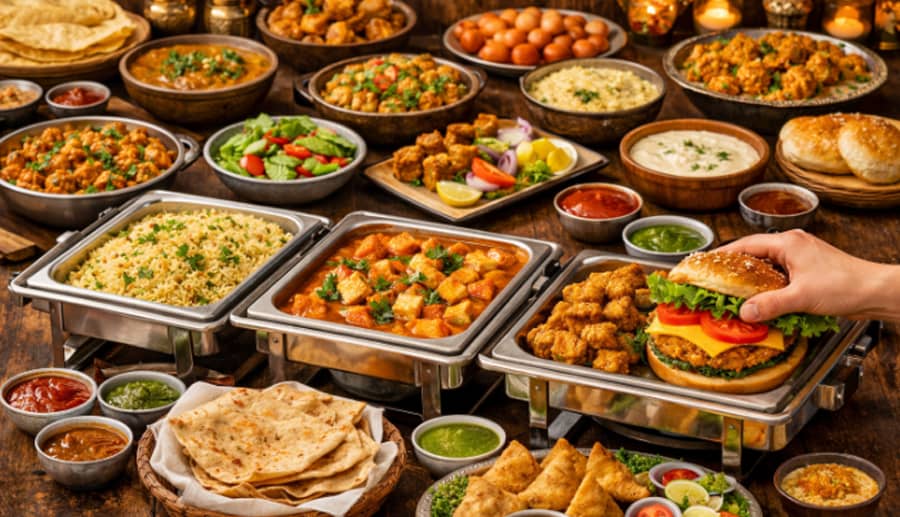
If your guest list is large, consider simpler food options or buffet-style serving. This often reduces costs while still giving guests a variety of choices.
Remember that guests usually care more about the atmosphere and company than expensive decorations.
Create a Comfortable Guest List
The guest list plays a big role in the overall mood of the party. For a first-time host, it is often better to keep the guest list manageable.
Think about the available space in your home and the seating capacity. A crowded space can make guests uncomfortable and make hosting more difficult.
If possible, invite people who are likely to interact well with each other. When guests share common interests or know a few others at the party, conversations flow more naturally and the atmosphere feels relaxed.
Send Invitations in Advance
Invitations help guests plan their schedules and confirm attendance. Sending invitations early also gives you a clearer idea of how much food and seating you will need.
For small gatherings, digital invitations through messaging apps or email are usually sufficient. For more formal events, you may choose printed invitations.
Include important details such as:
- Date and time
- Location
- Dress code (if applicable)
- RSVP instructions
Receiving confirmations helps you avoid preparing too much or too little food.
Plan a Simple but Appealing Menu
Food is one of the highlights of any party, but the menu does not need to be complicated. In fact, simple dishes that are easy to prepare and serve are often the best choice for first-time hosts.
Consider a balanced mix of items such as:
- Finger foods or appetizers
- One or two main dishes
- Light snacks
- Desserts
- Beverages
If cooking for a large group feels overwhelming, you can prepare some items in advance or order from a catering service. This allows you to focus more on your guests rather than spending the entire event in the kitchen.
It is also helpful to include a few vegetarian or dietary-friendly options so that all guests have something they can enjoy.
Prepare as Much as Possible Before Guests Arrive
Preparation is the key to a relaxed hosting experience. Completing most tasks before guests arrive allows you to spend more time socializing during the party.
Try to finish the following tasks beforehand:
- Cleaning and organizing the party area
- Setting up tables and serving stations
- Preparing food that can be stored or reheated
- Arranging decorations
- Testing music or speakers
Having everything ready ahead of time prevents last-minute rushes and keeps the event running smoothly.
Set Up a Self-Service Food Area
A self-service food station can make hosting much easier, especially if you have many guests. Instead of serving each person individually, guests can choose their food whenever they like.
Buffet-style setups work well for casual gatherings and allow guests to explore different dishes at their own pace. Arrange food in a logical order:
- Plates and cutlery
- Main dishes
- Side dishes
- Snacks and desserts
This setup reduces crowding and keeps the flow organized.
Create a Welcoming Atmosphere
The atmosphere of your party influences how comfortable guests feel. A warm and inviting space encourages people to relax and enjoy themselves.
You can improve the atmosphere with small details such as:
- Soft background music
- Comfortable seating areas
- Simple decorative elements like candles or flowers
- Proper lighting that is not too bright or too dim
Avoid cluttering the space with too many decorations. A clean and organized environment often feels more welcoming than an overly decorated room.
Introduce Guests and Encourage Conversation
At many parties, not all guests know each other. As the host, you can help break the ice by introducing people and encouraging conversations.
When introducing guests, mention a shared interest or connection. For example, you might say that two guests work in the same industry or enjoy similar hobbies. This gives them an easy starting point for conversation.
You can also place guests strategically when arranging seating so that people with common interests sit near each other.
Keep Entertainment Simple
Entertainment does not need to be elaborate to keep guests engaged. Sometimes music and good conversation are enough.
However, depending on the type of gathering, you may include simple entertainment such as:
- A curated music playlist
- Light party games
- A small photo corner for pictures
The goal is to create opportunities for guests to interact and enjoy themselves without making the event feel overly structured.
Stay Flexible During the Party
Even with careful planning, small unexpected situations may occur. Food might run out faster than expected, guests may arrive late, or conversations may shift the flow of the event.
Instead of worrying about every detail, focus on maintaining a relaxed attitude. Guests often take cues from the host’s mood. If you appear calm and welcoming, the overall atmosphere will remain positive.
Flexibility allows you to adjust quickly and continue enjoying the event.
Spend Time With Your Guests
A common challenge for first-time hosts is spending too much time managing tasks instead of interacting with guests.
Once the party begins, try to step away from constant preparation. Walk around, talk to different groups, and check if guests are comfortable. Your presence makes guests feel valued and welcomed.
If possible, ask a close friend or family member to assist with small tasks like refilling drinks or clearing plates. This allows you to focus on hosting.
Plan an Easy Cleanup Strategy
Cleaning up after a party can feel exhausting, especially late at night. Planning a simple cleanup strategy in advance can make the process easier.
Consider using:
- Disposable or recyclable tableware for large gatherings
- Clearly placed trash and recycling bins
- Storage containers for leftover food
You do not need to complete every cleaning task immediately after the party. Focus on the basics first and handle the rest the next day.
Reflect on the Experience
After your first hosting experience, take a moment to reflect on what worked well and what could be improved.
Ask yourself questions like:
- Which dishes were most popular?
- Was the guest list comfortable for the space?
- Did the timing of food and activities work well?
Learning from each event helps you become a more confident and efficient host over time.
Final Thoughts
Hosting a party for the first time is a learning experience. While it may feel challenging at the beginning, thoughtful preparation and a relaxed attitude can make the event enjoyable for both you and your guests.
Focus on creating a welcoming environment, serving good food, and encouraging conversation. Guests remember how they felt at the gathering more than the small details.
With practice, hosting becomes easier and more enjoyable. Each party you host will build your confidence and help you refine your style as a host.
Frequently Asked Questions
What should first-time hosts plan before organizing a party?
First-time hosts should start by deciding the guest list, setting a budget, choosing a date, planning the menu and preparing the space in advance to ensure a smooth event.
How far in advance should you plan a party?
Planning a party one to two weeks in advance allows enough time to send invitations, organize food and arrange decorations without last-minute stress.
What food is best for a party at home?
Simple dishes such as finger foods, appetizers, snacks and a few main dishes work well for home parties because they are easy to serve and convenient for guests.